Most of us think about protein as a muscle-building nutrient that keeps our bodies strong and healthy, but protein does many things in our body way beyond just helping build muscle and aid in post-workout recovery. It’s a component of every cell and is involved in everything from blood sugar regulation to a healthy mood to immune response to better sleep. Proteins are made up of amino acids, which are called the building blocks of protein. While our bodies can make some amino acids (called non-essential), it can’t make all the amino acids (called essential) they need on their own. This means we must eat enough sources of essential amino acid proteins in our daily diets in order to sustain optimal protein.
How Much Protein is Optimal?
So how much protein does a person need? The amount varies based on age, sex and activities level, but can easily be calculated at MyPlate. Those who are lactating or breastfeeding, very active, healing from injury or surgery, or as we age may require more. *It is always best to discuss protein needs with a dietitian or healthcare professional to make sure you are getting adequate intake.
Sources of protein matter just as much as getting enough. High-quality sources of protein are more bioavailable and easier to absorb, making hitting your protein goals easier since your body can use these sources more efficiently.
Protein’s Power and Why it Matters
Proteins help spark a chain reaction in our bodies that trigger neurotransmitters being released, muscles recovery, assist with focus, motivation, and metabolism, and even support blood sugar levels. When we eat adequate protein sources at each meal, our bodies feel energized, blood sugar levels stabilize, and our moods tend to be better due to adequate fuel being provided for neurotransmitter support.
The power of protein lies in the amino acids that comprise the macronutrient we know as “protein.” Complete proteins are foods that contain all nine essential amino acids our bodies can’t produce on their own and we must consume through our diet. While most foods contain protein, animal foods are the best sources of complete proteins, including milk, eggs, cheese, chicken, fish, beef, and more. They are higher in protein per gram than plants and contain all essential amino acids our body needs. Very few plants are complete sources of protein with the exceptions being quinoa, millet, buckwheat, chia seeds, hemp seeds, and some others. You can combine a variety of plant foods, such as brown rice, lentils, chickpeas and other legumes, throughout the day to make complete proteins, but protein needs are easily met from foods from high quality complete protein sources on their own.
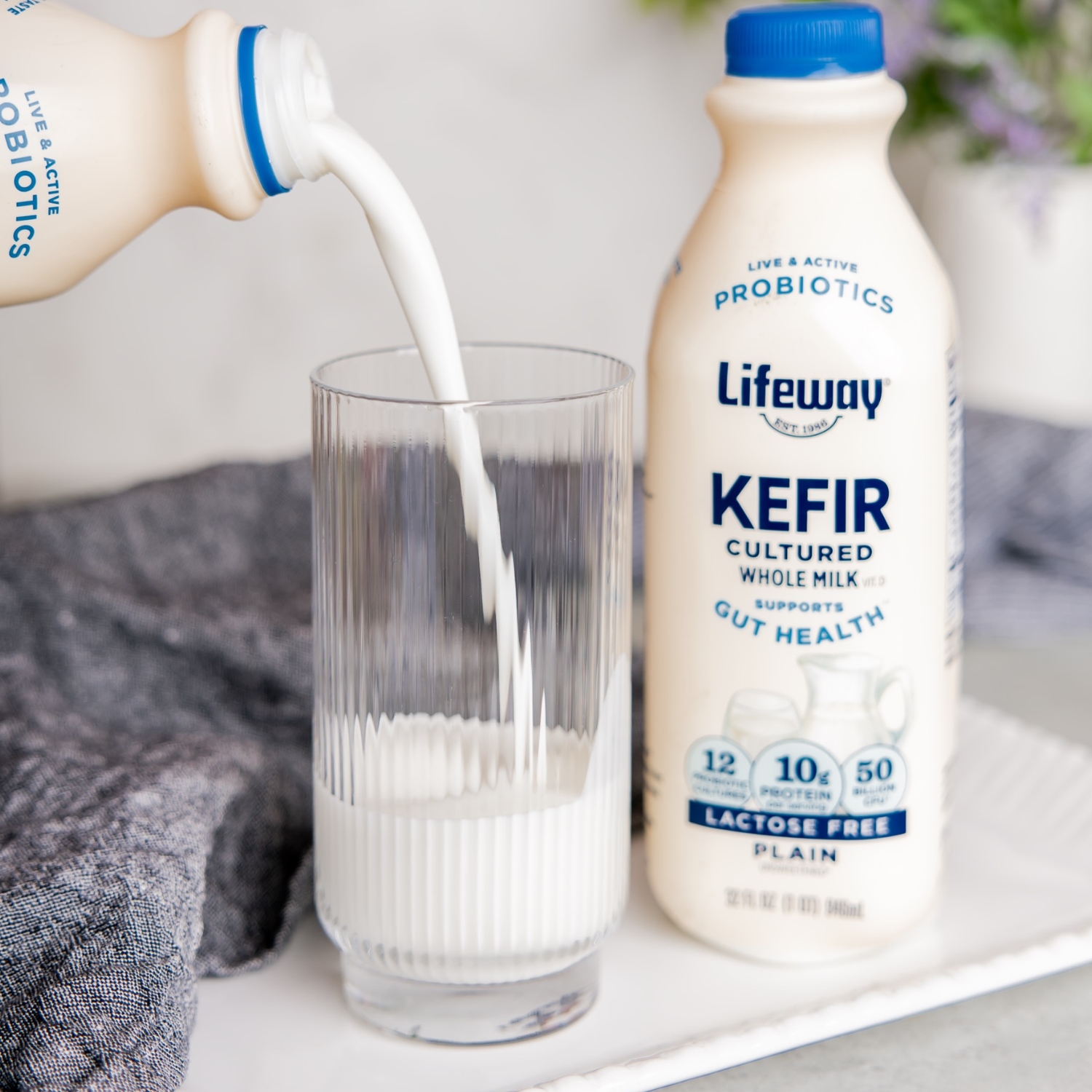
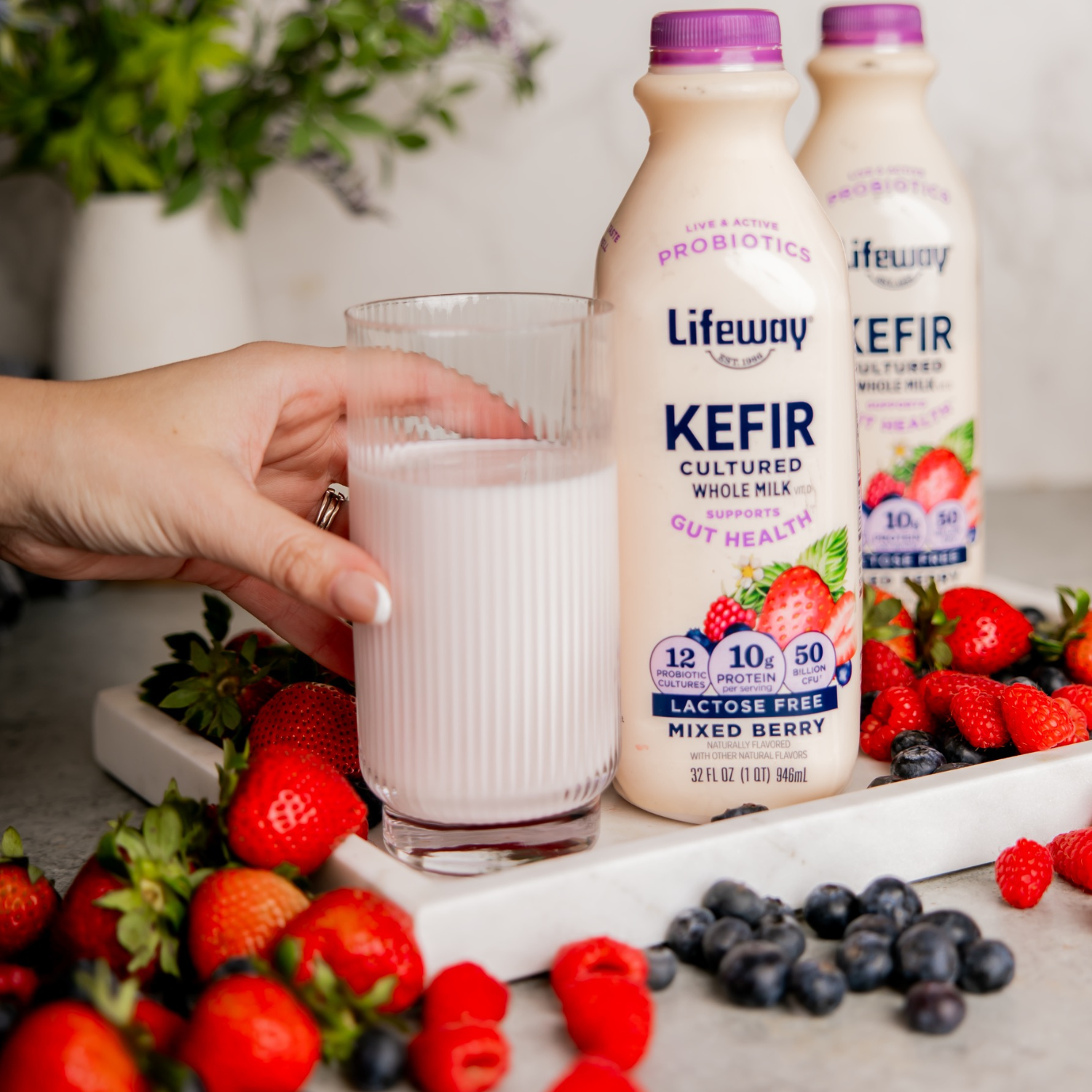
Since Lifeway Kefir is made from milk, it’s naturally a source of complete protein. One 8-ounce serving of Lifeway Kefir has 10 grams of protein per cup making it a good source of complete protein. Lifeway’s probiotic cultures may also make the milk protein easier to digest for some, as kefir contains enzymes as a result of the fermentation process that helps in the breakdown absorption of protein.
The Best Sources of Protein and the Amino Acids That Comprise Protein Foods
To meet protein needs, you’ll want to eat a variety of plant based and animal protein sources throughout the day. Kefir, yogurt, milk, wild fish, cultured cheeses, eggs, lean poultry and meats, and ancient grains are some of the healthiest sources of complete protein you can get in your daily diet. Between the nine essential amino acids and the 11 non-essential amino acids which our body makes (and also found in foods), the body is able to use the amino acids to build proteins used for everyday health.
The 20 Amino Acids that Comprise Protein:
- alanine
- arginine
- asparagine
- aspartic acid
- cysteine
- glutamine
- glutamic acid
- glycine
- histidine*
- isoleucine*
- leucine*
- lysine*
- methionine*
- phenylalanine*
- proline
- serine
- threonine*
- tryptophan*
- tyrosine
- valine*
*Those with stars are the 9 essential amino acids.
Benefits of Amino Acids Found in Protein
Some of these may sound familiar, such as tryptophan which makes us think of Thanksgiving turkey or a glass of warm milk before bedtime. The reason tryptophan has a connection to sleep is that it’s a precursor in our bodies to the neurotransmitter, serotonin, and melatonin. Serotonin is also known as the “happy hormone” because it may be related to a decrease in depression, moodiness, and anxiety. Our body produces 90% of serotonin in its gut, and adequate tryptophan intake help maintain normal serotonin levels.
Glycine is another amino acid that can assist with sleep, with one of the best sources being collagen powder (although it’s not a complete protein source). Leucine is an important amino acid for muscle health and growth, and the one most responsible for muscle protein synthesis. Glutamine is an amino acid well-known for its benefits of gut health support and supporting muscle tissue.
All this said, it’s important to remember that one amino acid alone isn’t responsible for optimal health. This is the reason complete protein sources that offer all essential amino acids are the best options for overall wellness. Choose wisely when selecting your protein sources, and choose those you not only enjoy, but that are also easily digested so you absorb their amino acids as efficiently as possible.

Our Favorite High-Protein Recipes for a Healthier You
To get you started, check out some of our favorite collections of high-protein recipes!
10 High Protein Recipes to Nourish You Gut
7 Gut-Healthy High Protein Bowls
Gut-Healthy Game Day Recipes Packed with Protein